
Introduction:
Choosing a child’s first school is one of the most important decisions parents make during the early years of development. At HEI, the Best Pre Nursery School in Gurgaon where the first school experience plays a crucial role in shaping a child’s attitude toward learning, social interaction, and independence. A positive and nurturing start can build confidence and curiosity, while a poorly chosen environment may create unnecessary stress for both the child and the parents.
About Us:
At HEI Schools Gurugram Sec 49, the early years of education focus on creating a safe, engaging, and inspiring environment for young learners. The school combines globally inspired learning with thoughtfully designed spaces that support creativity, exploration, and social development. Children participate in activities such as art and craft, music, drama, outdoor sports, storytelling, and collaborative play.
Understanding Your Child’s Readiness
Before selecting a school, parents should first consider their child’s readiness for the transition. Every child develops at their own pace, and it is important to assess whether the child is emotionally and socially prepared for a structured learning environment.
Signs of readiness may include the ability to stay away from parents for short periods, interact with other children, follow simple instructions, and show curiosity about new surroundings. Schools that understand early childhood development provide a gentle transition process that helps children adapt comfortably to their new environment.
A Safe and Child-Friendly Environment
Safety is one of the most critical factors when choosing a child’s first school. Parents should ensure that the campus is designed with young children in mind, including secure entry points, clean classrooms, and well-maintained play areas.
A child-friendly environment should include bright and welcoming classrooms, age-appropriate furniture, and safe learning materials. Outdoor play areas should also be designed to encourage exploration while maintaining high safety standards.
Qualified and Caring Teachers
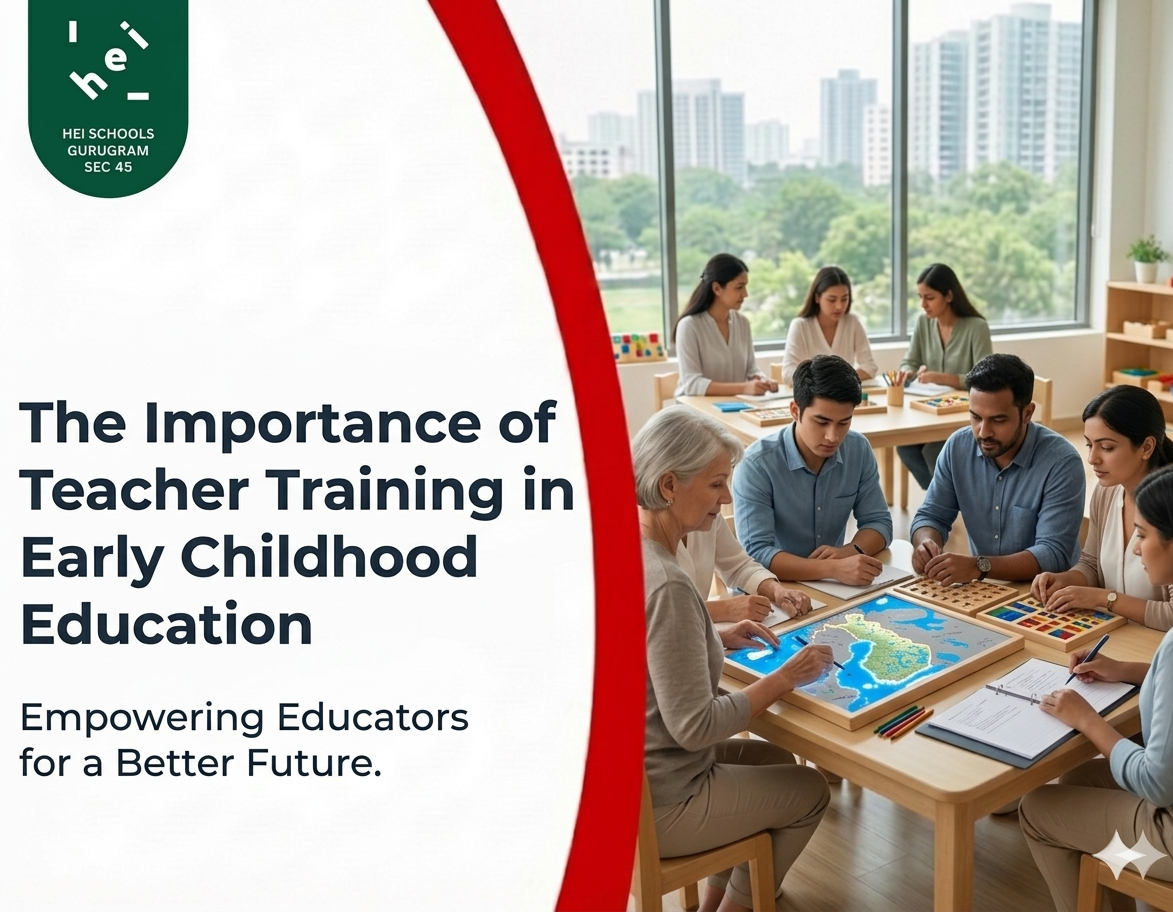
Teachers play a significant role in shaping a child’s first educational experience. Early childhood educators should be trained in child development and possess the patience and empathy required to guide young learners.
Caring teachers understand how to communicate with children, manage emotions, and encourage positive behavior. They also know how to design activities that stimulate curiosity and promote learning through play.
A Balanced Learning Approach
The early years of education should focus on holistic development rather than strict academic instruction. A balanced curriculum includes activities that promote cognitive, social, emotional, and physical growth.
Play-based learning is often considered one of the most effective methods for young children. Through games, storytelling, art, music, and interactive activities, children learn fundamental concepts while enjoying the learning process.
Opportunities for Social Interaction
A child’s first school provides one of the earliest opportunities to interact with peers outside the family environment. Social interaction helps children learn important life skills such as sharing, cooperation, and communication.
Group activities, collaborative games, and classroom discussions encourage children to express themselves while respecting others. These experiences help build confidence and prepare children for future educational settings.
Cleanliness and Health Practices
Young children are more vulnerable to infections and illnesses, making hygiene an essential factor in school selection. Parents should observe whether classrooms, restrooms, and dining areas are regularly cleaned and maintained.
A well-managed school prioritizes children’s wellbeing by maintaining high standards of cleanliness and ensuring that health guidelines are consistently followed.
Communication with Parents
Open communication between parents and educators is essential for a child’s successful transition into school life. Parents should look for schools that encourage regular updates about their child’s activities, progress, and behavior.
Parent–teacher meetings, digital communication platforms, and feedback sessions allow families to stay actively involved in their child’s development. This collaboration ensures that children receive consistent guidance both at home and in school.
Facilities That Encourage Exploration
The physical environment of a school greatly influences a child’s learning experience. Classrooms designed with interactive learning zones encourage exploration and creativity.
Facilities such as reading corners, art stations, sensory play areas, and outdoor playgrounds allow children to engage in various activities that stimulate imagination and curiosity.
Conclusion:
Selecting a child’s first school requires thoughtful consideration of several important factors, including safety, teacher quality, learning approaches, and overall environment. A nurturing and stimulating setting can help children develop confidence, social skills, and a strong foundation for future learning.
FAQs:
- What should parents look for when choosing a first school?
Parents should consider safety, teacher qualifications, learning methods, and the overall environment. - Why is the school environment important for young children?
A warm and child-friendly environment helps children feel secure and comfortable during their first school experience. - How important are teachers in a child’s first school?
Teachers play a major role in guiding children’s emotional, social, and learning development. - Should parents focus only on academics in early schooling?
No, holistic development including play, creativity, and social skills is equally important. - How can parents prepare children for their first school experience?
Talking about school positively and encouraging small social interactions can ease the transition. - Why is communication between parents and teachers important?
Regular communication helps parents stay informed about their child’s progress and development.